Website Speed and Business Performance
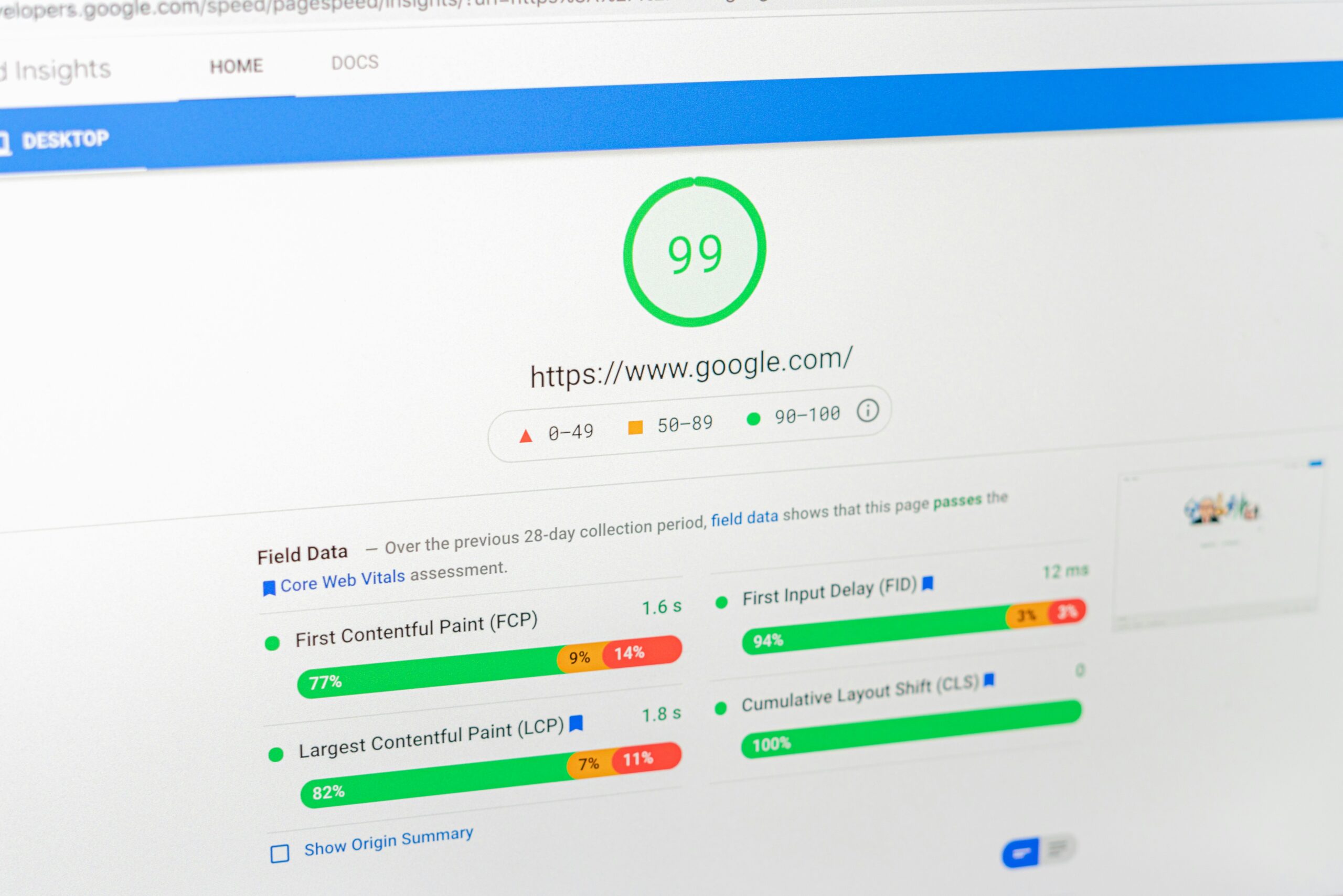
Website speed is not only a technical detail. It affects trust, SEO visibility, conversions, and business performance.
If a website feels slow, visitors notice before the business does. Every delay creates friction between the visitor and the action you want them to take.
Speed matters for SEO optimisation, user experience, paid campaigns, and the overall performance of your website.
Why website speed matters
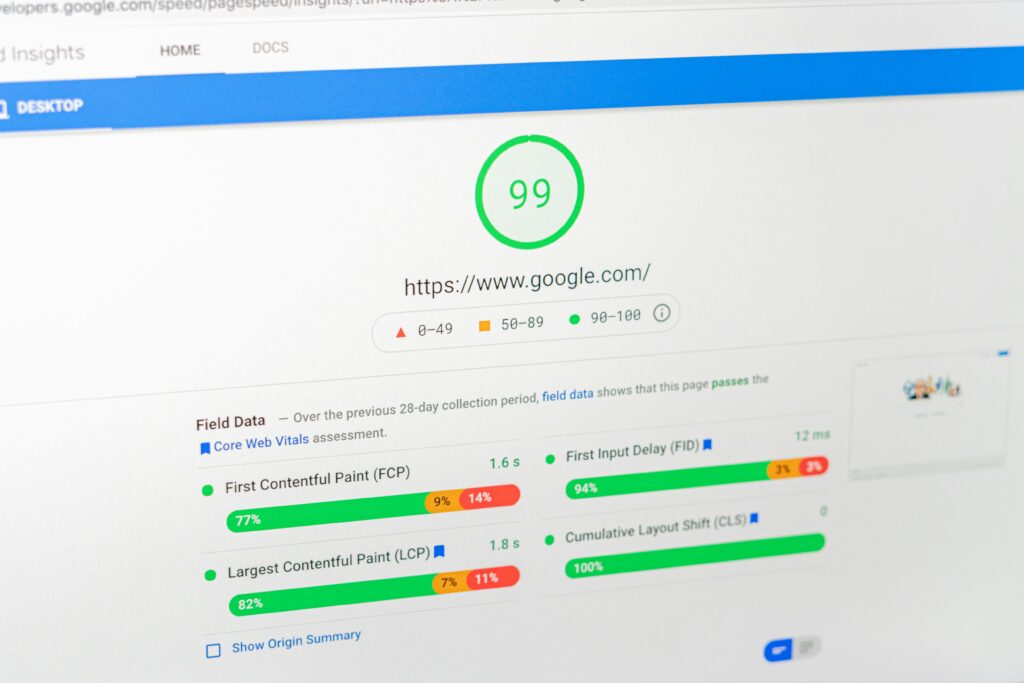
A slow website can weaken the first impression before the visitor has even read the content. It can also make forms, navigation, and service pages feel harder to use.
- Visitors may leave before the page loads properly
- Mobile users are affected the most
- Trust can drop when the site feels heavy or outdated
- Campaigns perform worse when landing pages are slow
Speed is part of the user experience, but it also affects how well the website can support business goals.
Speed and SEO
Search engines want to show pages that are useful, accessible, and technically healthy. Speed is not the only ranking factor, but it is part of the wider technical quality of a site.
- Mobile experience
- Core Web Vitals
- Crawlability and technical health
- User experience after the click
If the website has technical issues, speed can become one of several signals that the foundation needs attention. See Common Technical SEO Mistakes That Block Your Growth.
Why websites become slow
The cause is not always one thing. Often speed problems come from several small decisions accumulated over time.
- Heavy images
- Too many scripts
- Ready-made plugins loading unnecessary assets
- Bloated themes or page builders
- External embeds
- Weak hosting, caching, or template structure
Because there can be many causes, speed problems should be diagnosed before random fixes are applied.
What do you think slows websites down most often?
Want to know what is slowing your website down?
Tell us what feels slow, and we’ll help you understand what should be checked first.
Speed and conversion
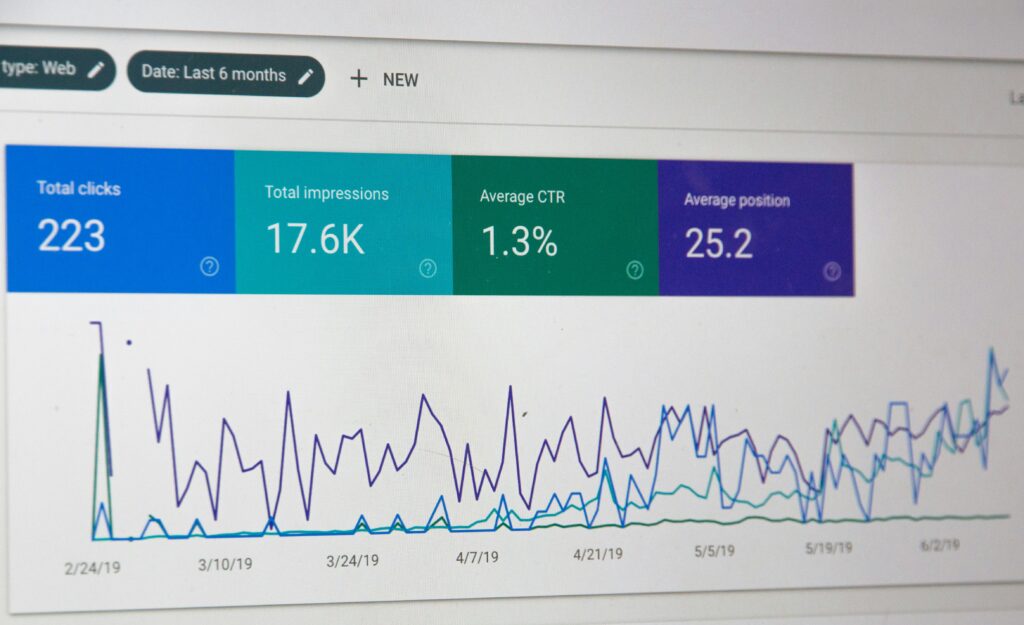
If SEO increases impressions and clicks, but the website loads slowly, part of that opportunity can be lost before the visitor even reads the page.
Speed affects the path from attention to action. A slow service page, contact form, booking flow, or checkout can reduce the value of otherwise good traffic.
This is why performance should also be connected to conversion tracking.
When speed problems mean deeper technical debt
Sometimes simple optimisation is enough. But if the site is built on a heavy theme, too many plugin dependencies, or messy templates, speed problems may point to deeper technical debt.
In those cases, the real question is not only how to make the site faster today, but whether the technical foundation still supports future growth. Related reading: WordPress Architecture for Business Websites.
 What Should a Business Website Include?
 A company’s website is often the first interaction a potential…
What Should a Business Website Include?
What Should a Business Website Include? A company’s website is often the first interaction a potential…
 WooCommerce vs Other Ecommerce Platforms – Which One Is Right for Your Business?
 Choosing an ecommerce…
WooCommerce vs Other Ecommerce Platforms – Which One Is Right for Your Business?
WooCommerce vs Other Ecommerce Platforms – Which One Is Right for Your Business? Choosing an ecommerce…
 WordPress Website or Custom Solution?
 Choosing between a WordPress website and a custom-built solution is not…
WordPress Website or Custom Solution?
WordPress Website or Custom Solution? Choosing between a WordPress website and a custom-built solution is not…
 When Does a Business Need an Ecommerce Website?
 A business needs ecommerce when selling, booking, ordering,…
When Does a Business Need an Ecommerce Website?
When Does a Business Need an Ecommerce Website? A business needs ecommerce when selling, booking, ordering,…
 Redesign or Optimisation?
 Not every website needs a full redesign. Sometimes optimisation is enough, but if…
Redesign or Optimisation?
Redesign or Optimisation? Not every website needs a full redesign. Sometimes optimisation is enough, but if…
 Risks of WordPress Plugins
 Ready-made WordPress plugins can be useful, but relying on too many of…
Risks of WordPress Plugins
Risks of WordPress Plugins Ready-made WordPress plugins can be useful, but relying on too many of…